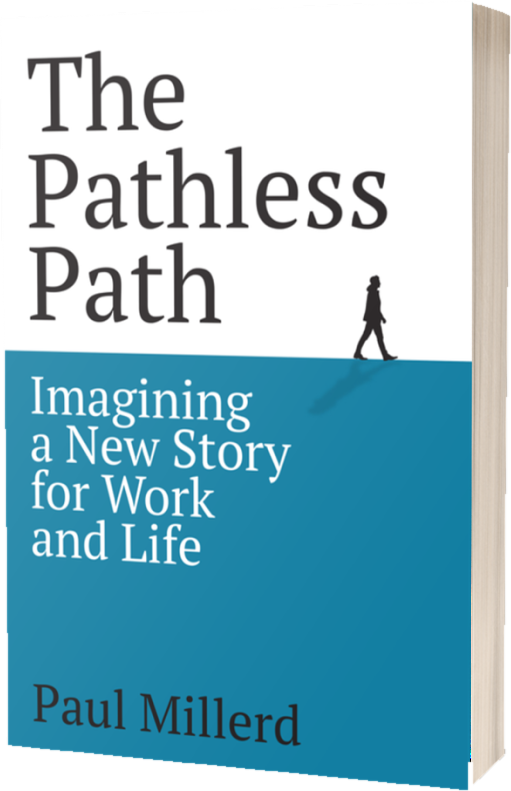
The Pathless Path has sold 86,873 copies globally and helped readers imagine a better story for work & life
Kindle (Amazon)Paperback (US, UK, AUS)ePub + PDF (direct)Clothbound hardcover (direct)Audiobook (Audible)Audiobook (Spotify)
Start Reading or Listening
The whole introduction — press play, or read it right here
I was extremely nervous. As the teacher of my semester-long Chinese language class called my name, my heart started to race. I took a deep breath and began. I shared the story of quitting my job, deciding to move to Taiwan, meeting the woman who would become my wife, starting an online business, and living in five different countries. It was the first time I had shared my story in another language, and as I finished, a calmness swept over my body. It was the end of a three‑month period when I had felt completely alive, spending my time learning, creating, solving problems, and exploring Taipei with my wife.
This would have been unimaginable to me five years earlier when I lived in New York City. I was single, spending my time at work, eating out, partying with friends, dating, and constantly plotting ways to work less or escape work altogether. I was working at a consulting firm making nearly $200,000 a year and working on projects for some of the most recognizable CEOs in the world.
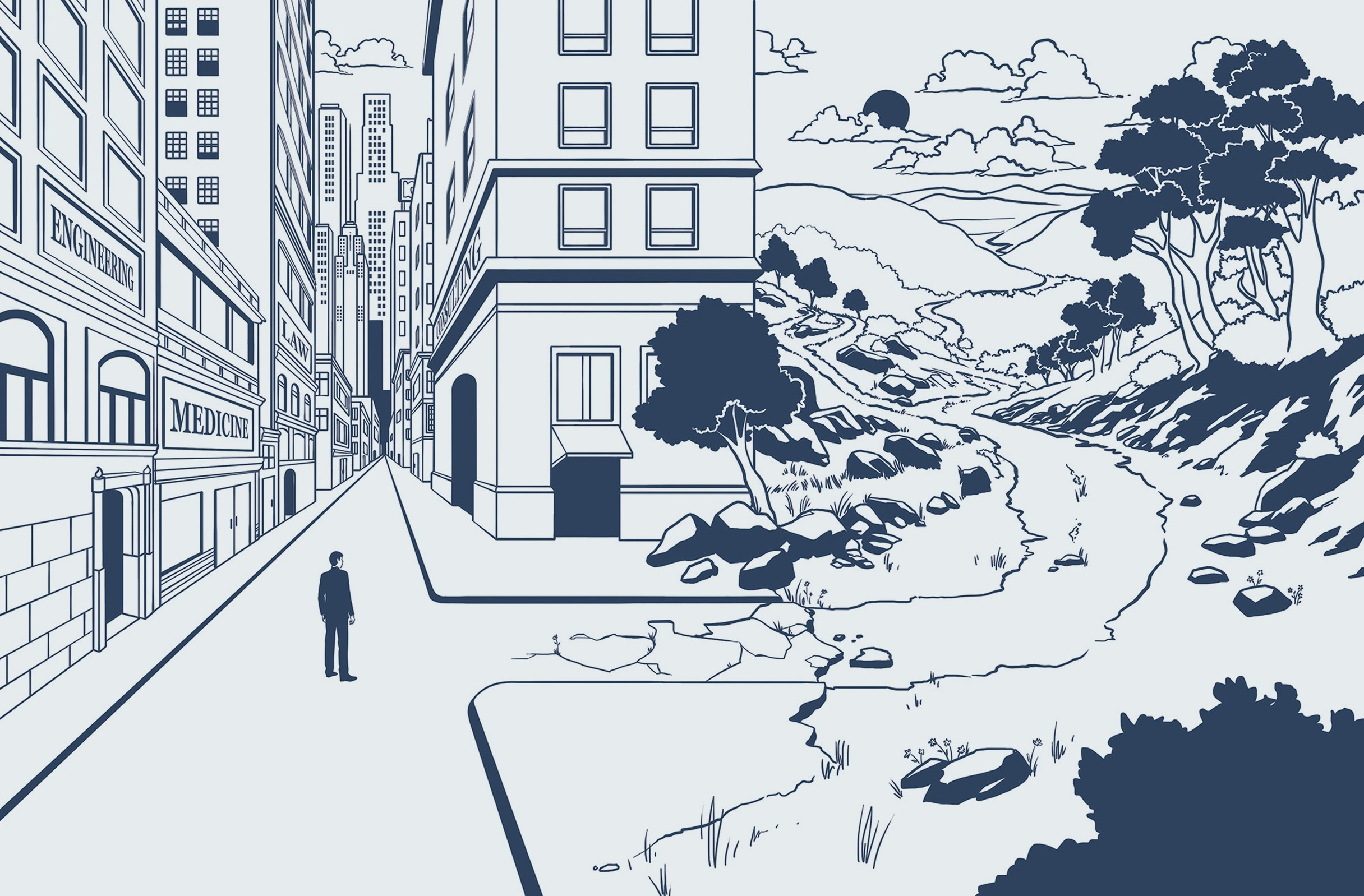
I was successful, and on my way to being even more successful. This was the end result of an obsessive focus on getting ahead in my 20s. It’s a state familiar to many. Study hard, get good grades, get a good job. Then put your head down and keep going, indefinitely. This is what I call the “default path.” Growing up, I thought making $100,000 a year made someone rich. When I made that amount for the first time at 27, I felt like I had more than I could ever need.
Yet I opted into an identity that didn’t accept such complacency. Everyone around me was always moving forward toward the next achievement. Chasing achievements is what brought me to that New York City job working with CEOs, the final one before I decided to quit. Most mornings I came into the office and sat there struggling to start my day. I watched the people pass my desk and wondered if they felt the same stuckness as I did.
Eventually, I would start my work, helping company boards assess their senior executives to see who the next CEO of the company should be. I read through feedback reports from people throughout the company and created summarized reports of each executive’s strengths and weaknesses. We like to think that once we “make it” we can finally be ourselves, but based on who the companies selected, it was clear that the longer people stay at a company, the higher the odds that they would become what the company wanted. I realized I didn’t want that to happen to me.
In a 10‑year period, I worked for five companies and spent two years in grad school. I moved from job to job, convinced the next stop was always the final stop. My restlessness was easy to hide because my path was filled with impressive names and achievements, and when you’re on such a path, no one asks “Why are you doing this?” It took me a while to recognize this blind spot and have the courage to start asking myself those kinds of deeper questions in a serious way. Which led me to walk away. Scratch that—run away. I even gave back a $24,000 signing bonus and missed out on a $30,000 bonus if I had been able to stick it out for another nine months.
I left with the intention to become a freelance consultant, but soon enough, that story started to show its cracks as well. It didn’t take me long to realize I had been on a path that wasn’t mine, and to find a new way forward, I would need to step into the unknown.
About a year into this journey, I stumbled upon a phrase which helped me take a deep breath. It was the idea of a “pathless path,” something I found in David Whyte’s book The Three Marriages. To Whyte, a pathless path is a paradox: “We cannot even see it is there, and we do not recognize it.” To me, the pathless path was a mantra to reassure myself I would be okay. After spending the first 32 years of my life always having a plan, this kind of blind trust in the universe was new, scary, and exciting. Whyte says that when we first encounter the idea of a pathless path, “we are not meant to understand what it means.” To me, however, it meant everything.
The pathless path is an alternative to the default path. It is an embrace of uncertainty and discomfort. It’s a call to adventure in a world that tells us to conform. For me, it’s also a gentle reminder to laugh when things feel out of control and trusting that an uncertain future is not a problem to be solved. Ultimately, it’s a new story for thinking about finding a path in life.
As the world continues to change and technology reshapes our lives, the stories we use to navigate life become outdated and come up short. People are starting to feel the disconnect between what we’ve been told about how the world works and what they experience. You work hard, but get laid off anyway. You have the perfect life on paper, but no time to enjoy it. You retire with millions in the bank, but no idea what to do with your time.
The pathless path has been my way to release myself from the achievement narrative that I had been unconsciously following. I was able to shift away from a life built on getting ahead and toward one focused on coming alive. I was able to grapple with the hard questions of life, the ones we try so hard to ignore. And I was able to keep moving when I realized that the hardest questions often don’t have answers.
One of the biggest things the pathless path did for me was to help me reimagine my relationship with work. When I left my job, I had a narrow view of work and wanted to escape. On the pathless path, my conception expanded, and I was able to see the truth: that most people, including myself, have a deep desire to work on things that matter to them and bring forth what is inside them. It is only when we cling to the logic of the default path that we fail to see the possibilities for making that happen.
I had been following a formula for life that was supposed to guarantee happiness. It didn’t. Confusion kept me on a path that wasn’t mine for more than ten years. Along the way, I learned how to play the game of success and achievement, but never paused to find out what I really wanted. I found myself in rooms surrounded by business leaders and didn’t quite fit in. I was in the wrong rooms, asking the wrong questions about how to live.
The Default Path
This book does not argue for or against any singular way of living, but it contests the idea that the default path is the only way. By default path, I mean a series of decisions and accomplishments needed to be seen as a successful adult. These vary by country, but in the United States, we refer to this as the “American Dream,” which means a life centered around a good job, owning a home, and having a family.
Researchers Dorthe Berntsen and David Rubin study what they call “life scripts,” which they describe as “culturally shared expectations as to the order and timing of life events in a prototypical life course.” Their research found remarkable consistency across countries with regard to the events that people expect to occur in their lives. Most of these moments occur before the age of 35: graduating from school, getting a job, falling in love, and getting married. This means that for many people, expectations of life are centered around a small number of positive events that occur while we are young. Much of the rest of our life remains unscripted, and when people face inevitable setbacks, they are left without instructions on how to think or feel.
While very few young people expect to have one job or career, most still rely on the logic of the default path and assume they need to have everything figured out before the age of 25. This limits the ideas of what we see as possible, and many, including me, internalize the “worldly wisdom” that John Maynard Keynes once pointed out, “that it is better for reputation to fail conventionally than to succeed unconventionally.”
Since 2017, I’ve had hundreds of virtual “curiosity conversations” with people from around the world about work and life. I’ve seen the shame of unexpected layoffs, the panic attacks from changing jobs, and the loss of hope people experience when they can’t make it work on the particular path they think they are supposed to follow. On top of that, people are ashamed to talk about these things with the people in their lives.
This anxiety is not limited to young people. Increasingly, people at the end of traditional work careers tell me they are not excited about the default story of retirement. They still have a desire to engage with the world but don’t know how to make that happen. As of 2018, men and women in developed countries are expected to spend nearly 20 years in retirement. As the baby boomer generation enters this new life stage, bringing with them unprecedented wealth, health, and energy, they will be looking for new stories about how to live their lives.
These stories motivate me to keep going on my own journey and give me plenty to write about. Without intending to, I’ve become a repository of wisdom about how to navigate life and build a better relationship with work. Much of what I’ve learned through these conversations has inspired this book.
Prior to embracing the pathless path, I was the friend that people came to when they had career challenges. I once worked closely with a young professional in his mid‑20s who wanted to escape his current job. As he described his career options, he told me he could keep progressing at his company and become a partner or he could take a position at a client’s firm and “coast,” as he put it. “Are those the only two options?” I asked. “Yes,” he replied. I listed a few other paths that he conceded were possible, but he added, “I don’t know anyone who has done that.”
Many people fall into this trap. We are convinced that the only way forward is the path we’ve been on or what we’ve seen people like us do. This is a silent conspiracy that constrains the possibilities of our lives.
I was testing out a side gig as a career coach when I first met that young professional. He hated his job and wanted to make a change. As he found a new role, working in another company, he lost all motivation to keep working with me and exploring the things that mattered to him. This disappointed me. I wanted him to see the potential I saw. Yet in my own life, I was doing the same thing. With every new job, I convinced myself I was thriving. But what I was really doing was trying to escape feeling stuck. I was too afraid to have a deeper conversation with myself. The kind that might pull me toward a different kind of life.
Why This Matters
For most of my life, I’ve had the gift of seeing the greatness in others. It hurts when I see people stuck or unable to pursue their dreams, and I want to do anything I can to help them. In writing this book, I realized that this has everything to do with my parents.
I won the childhood lottery. I had two parents who devoted their lives to creating the best life possible for my siblings and me. They did this by figuring out what they were best at and then giving it their complete commitment.
For my mother, it was being an active parent. Right from the start, she had an intuitive sense of my needs. She gave me space to make my own decisions and I learned how to take ownership of my life. She helped remove any obstacles in my way and helped me grow into a confident adult. At every step of my journey, the courage to take the next step was a direct result of her abundant love and compassion.
My father prioritized work. I struggled with this for many years. I wished he was around more. As I got older, however, I realized that this decision was just as hard on him and that he didn’t have any other choice. At 19 he took a job at a manufacturing company and didn’t think about working anywhere else for another 41 years. The story he told himself throughout his entire career was that he had to work harder than everyone else. Why? He didn’t have a degree. As he earned promotions, he found himself surrounded by people with impressive credentials and likely felt more pressure to keep up. Yet he never complained. He woke up every day at 5 a.m., put in 12‑hour days, said yes to every single thing asked of him, and in doing so, was able to have a remarkable career and ensured that my siblings and I had more options than he did.
My mother also believed that not having a degree held her back and she was right. A couple of years after college, I helped her apply for a job at another school as a director of a financial aid department. The recruiting committee said that her cover letter “was one of the best they had seen” and that she was the best candidate, but because she didn’t have a degree, they were offering the position to someone else. This hurt me so much. I knew that my mother was smart and capable and that a degree had nothing to do with what she had to offer the world.
The best option available for my parents was the default path. This worked remarkably well for them, which is what made leaving it so damn hard. I know how much they sacrificed so that I would have better career opportunities. However, what they really gave me was so much more than the ability to succeed in school and work. It was space to dream, take risks, and be able to explore more possibilities for my life.
Many people find it difficult to create change in their lives because they lack someone who believes in them. I have parents, aunts, uncles, grandparents, teachers, and managers who believe in me. Their support gives me an advantage, and because of this, nothing motivates me more than trying to be that person for others. I am inspired by what the writer Leo Rosten once argued was the purpose of life: “to be useful, to be honorable, to be compassionate, to have it make some difference that you have lived and lived well.”
The pathless path has helped me see that quitting my job was never about escaping work or living an easier life, it was about using the gifts I received from my parents to benefit others. Helping people live courageously so that they can thrive is one of the most important things in the world. I want to see people live the lives they are capable of, not just the ones they think they are allowed to live.
I wrote this book to show you that this is possible. My journey on the pathless path is about slowly figuring this out and helping countless people from around the world realize the same thing. Now it’s your turn. What follows is not a simple playbook, but an invitation to join me on the pathless path to see what might happen if we imagine a new story together.
What People Say About the Book
These are actual readers, not solicited blurbs
I could easily see this book having the cultural impact of Rolf Potts’ Vagabonding.
Amazon Review

I just finished the last 100+ pages this morning and I can confidently say that this is one of the best non-fiction books I’ve read in my life.

This is polished and fresh content. It really should be a mainstream airport bestseller type book, not niche subculture blogger self-published book.

The best non-fiction book I’ve read in a while. It helped stop me from frantically applying for jobs and be intentional with choosing what to work on instead.

This is fast becoming one of my most highlighted books.
Like the four-hour workweek, but attainable.
A Reader
Since publishing, I’ve received hundreds of messages from readers
This still blows me away, and I love hearing from people. Here’s what they say the book did for them.
Here’s what readers said
-
Took creative or entrepreneurial action LinkedIn message
“So, I took action and as of this year, I began my freelancing journey.”
-
Left a job or made a concrete change Audible review · 5/5
“Your book helped me to muster the courage to quit my job and move abroad.”
-
Found permission and courage Reader email
“Your writing gave me the framework to name that misery and the permission to walk away.”
-
Felt seen, and less alone Reader email
“The most important thing is that I know I am not alone.”
-
Got clarity, or reframed the question Amazon review · 5/5
“You are in the grip of an invisible script that was not written for you.”
-
Changed where or how they live Reader email
“Your book has given me the courage to step into the unknown and explore this space.”
-
Recovered from burnout Reader email
“How you described burnout was exactly where I was at, but I didn’t realize it until I left.”
And the words they reach for, by number of messages
- Inspiration130
- Courage and bravery52
- Gratitude46
- Excitement44
- Seen, less alone21
- Happiness and joy16
- Reassurance15
- Curiosity12
- Encouragement10
- Hope8
More People Say About the Book
(Again, actual readers, not solicited blurbs)

Fortunately, the Internet makes the pathless path possible like never before. When you share ideas on the Internet, you can work from anywhere in the world and create opportunities from the comfort of your couch. Your rate of learning is limited only by your curiosity and thirst for knowledge. I know Paul’s ideas are legit because he lives what he preaches. He’s my neighbor in Austin, and whenever I run into him, he’s in a state of blissful joy while I’m slaving away on some challenging project.

This book is about designing an embodied life. A life that embraces calculated chances because that is what living is. You get one life. You can order off the menu. If any of this sounds cliché, it’s because the question of how to live a life is as old as philosophy. And yet, Paul Millerd, in 2022, has published the sum of his story in such a way that it adds to the conversation. More than ever, its message is relevant and practical.

What I really liked about this book is that it is the opposite of what I anticipated: it has zero hacks or to-do lists. Paradoxically, it has a more methodical, applied method toward reinventing yourself and your career than I have read about anywhere else.
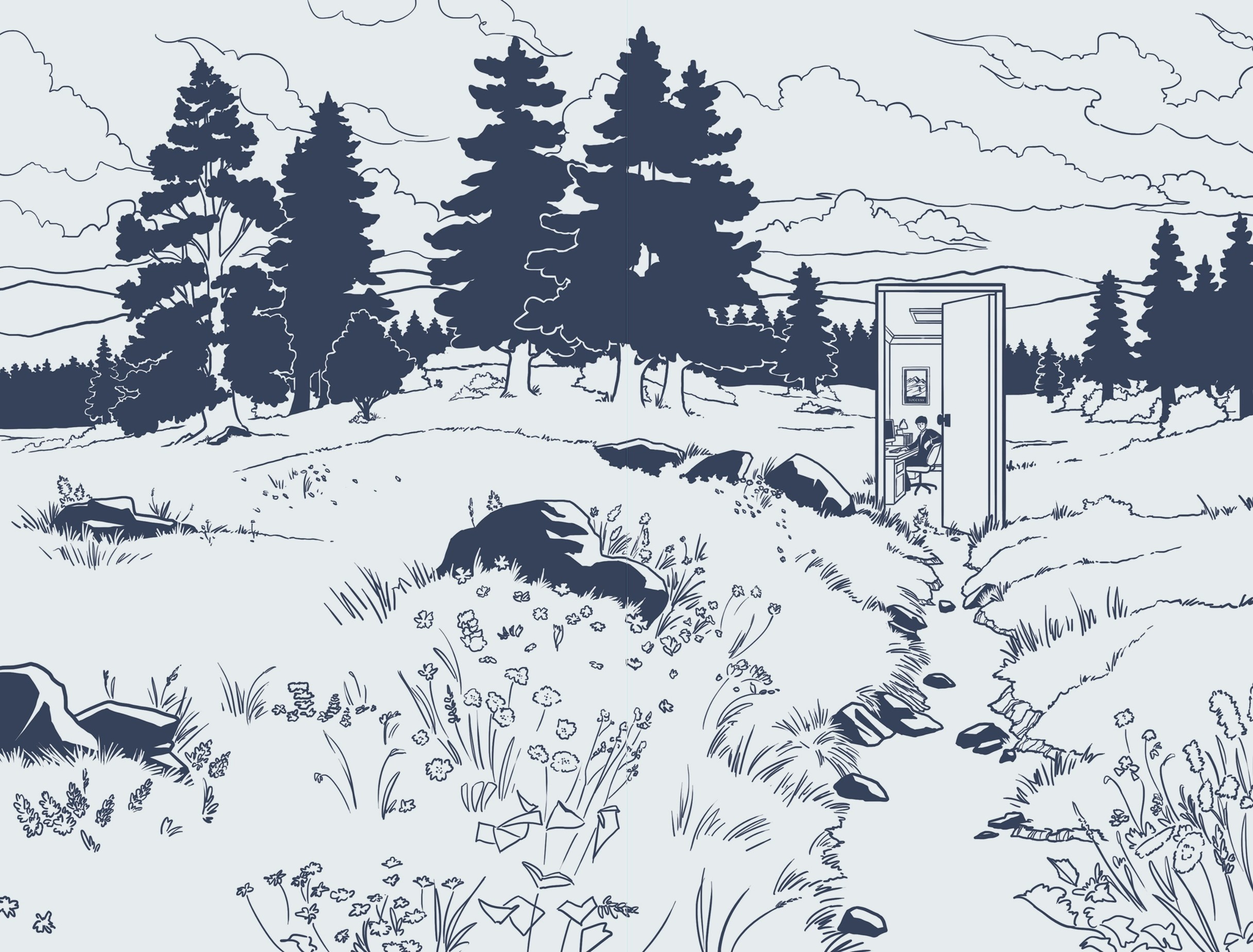
From Getting Ahead to Coming Alive
Part 1: The Default Path
Exploring the history of work through my own aggressive pursuit of a prestigious and impressive career
- 1IntroductionAn exploration of the default path of success, what the pathless path really is about, and why it matters
- 2Getting AheadMy journey of learning how to become a “hoop-jumper,” breaking into strategy consulting, going to business school, and then how dealing with the loss of my health and someone important changes what I value
- 3Work, Work, WorkAn exploration into the history of work and trying to make sense of our current relationship to work around the world and some of the fundamental flaws
- 4AwakeningThe start of a slow but steady drift towards a breaking point while I discover an inner creative and experimental energy that needs to be expressed
- 5Breaking FreeQuitting my job, and dealing with the loss of an important identity
- 6The First StepsLearning how to prototype a life shift, opening up to possibility and wonder, finding the others, taming my fears and deepest insecurities
Part 2: The Pathless Path
Embracing a different kind of journey, one focused on coming alive, embracing uncertainty, experimenting, and being open to possibility
- 7Wisdom of The Pathless PathEmbracing non-doing, falling in love, taking extended breaks, leaning into leisure, re-thinking retirement and money, and learning to trust the world
- 8Redefine SuccessHow to shift away from the default modes of success and towards your own definition, designed around building your own tribe, defining enough and shifting beyond scarcity mindset
- 9The Real Work of Your LifeEngaging in the real work of your life: finding the things you want to keep doing. In addition, unleashing your inner creative spirit, figuring out how to be useful and injecting hope into the journey
- 10Playing The Long GameHow to sustain the journey by working backward from who you don’t want to be, learning to reinvent yourself, embracing abundance, creating your own culture, and developing your own principles
Book Trailer
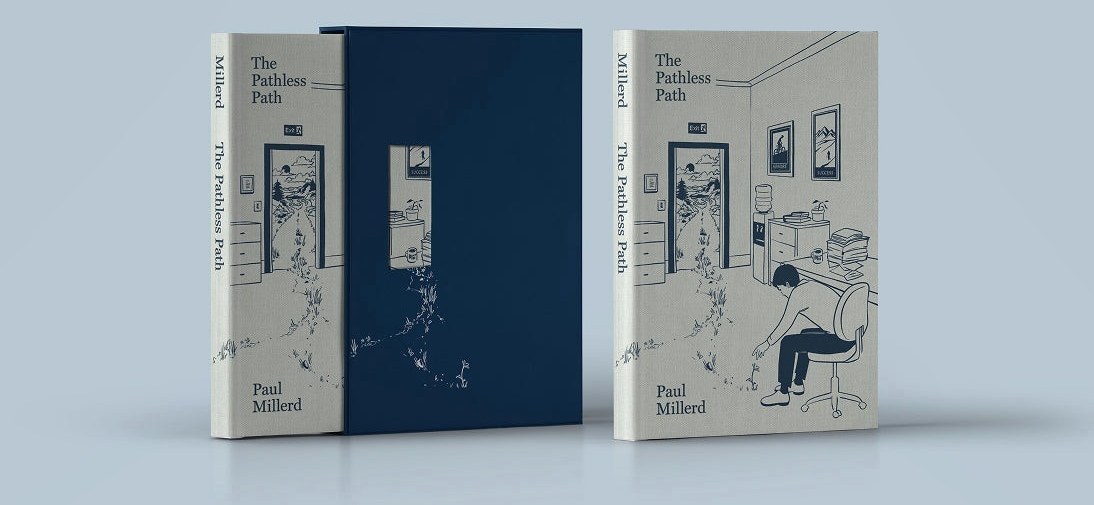
Premium Hardcover
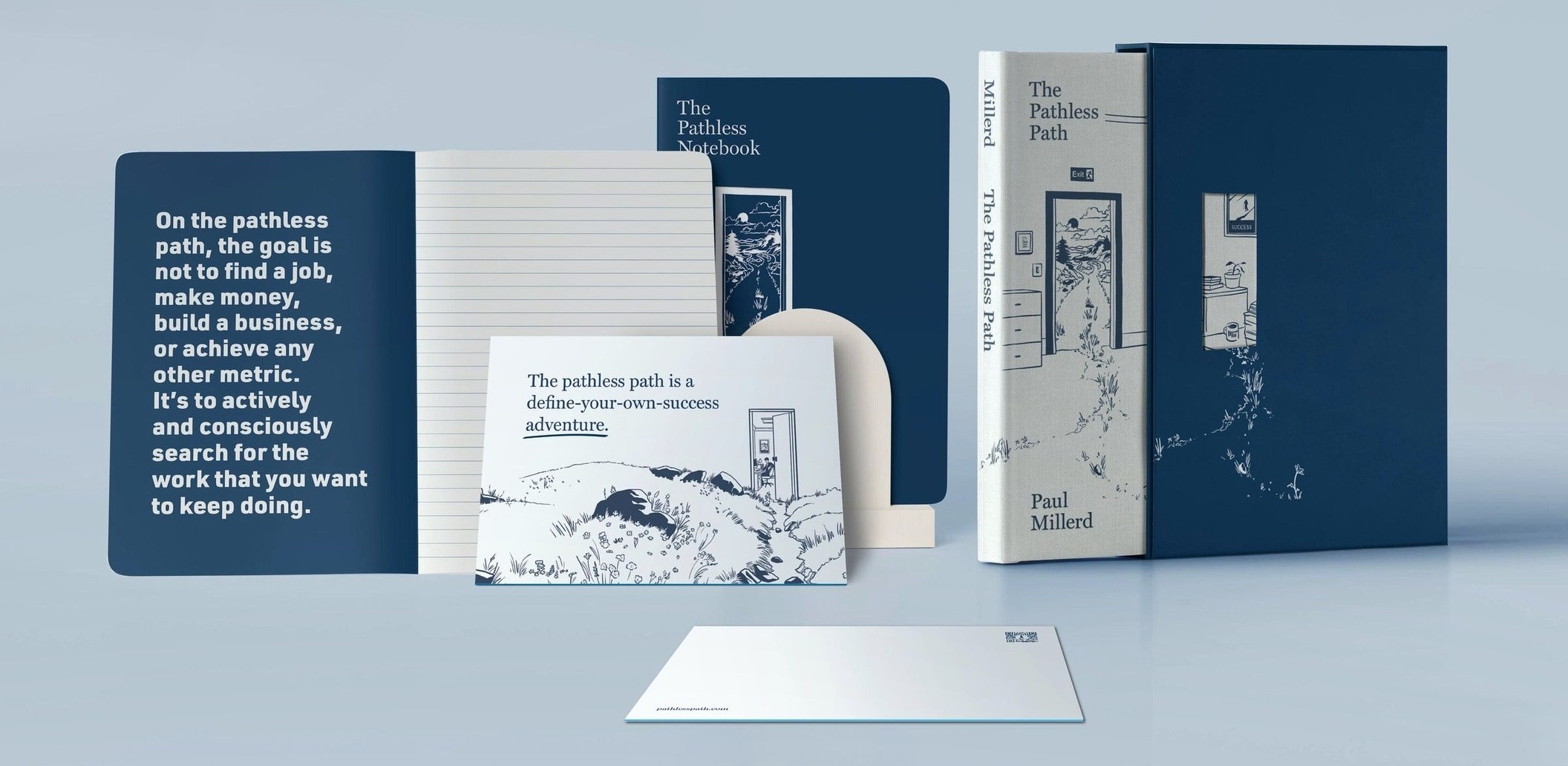
The best-selling book is now reimagined in a high-end, premium clothbound edition with custom illustrations, a new introduction, and more.
Signed Launch Bundle — $95 · Amazon — $95 · Explore the book in 3D · Read More
Other English Editions
| Ebook | ||
|---|---|---|
| UK | Amazon | Amazon.co.uk |
| Malaysia / Singapore | Kinokuniya | |
| India | Flipkart·Amazon.in |
International Editions
| Ebook | Audio | ||
|---|---|---|---|
| French | Amazon.fr·Amazon.com | Amazon.fr·Amazon.com | |
| Hindi | Amazon.in | ||
| Marathi | Amazon.in | ||
| Russian | Amazon | Litres | Litres |
| Chinese (Simplified) | Taobao·DangDang | ||
| Chinese (Traditional) | Kindle·Books.com.tw·Readmoo | Books.com.tw·Eslite |
Some Of My Favorite Podcast Conversations About The Book
Recent Writing
All 208 articles →The Podcast
194+ conversations on unconventional paths